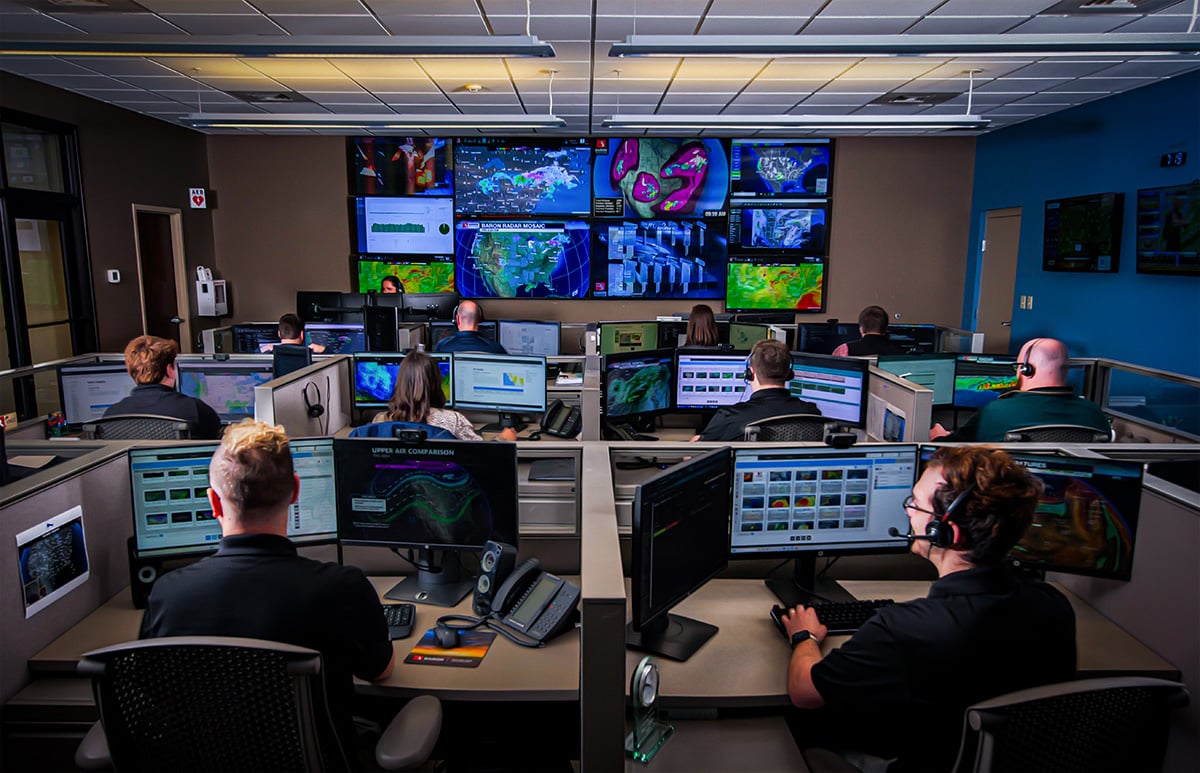
Behind every forecast is a series of decisions — what to check first, how to interpret the data, and how to communicate risk clearly. To better understand how those decisions are made in practice, we asked our team of meteorologists to share how they actually use Baron tools in their day-to-day work. The result is a look at real-world workflows that highlight integration, efficiency, and decision support across a wide range of weather scenarios.
Daily Awareness
Daily workflows often begin with a quick check — just enough to understand what’s happening now and what might be coming next.
The Baron Critical Weather App is a frequent first stop, offering an easy way to check current conditions, hourly forecasts, and upcoming impacts — whether for work, travel, or family planning. It’s used both professionally and personally, especially when teams are on the move.
When at their desks, Lynx provides a broader situational view, helping establish context before diving into deeper analysis.
Forecasting & Models
For forecasting and analysis, Baron’s models play different but complementary roles, depending on the type of weather being monitored.
“The Baron 3 km is my go-to for severe weather and short-term forecasting, while the Baron 15 km model gets more use for synoptic-scale forecasts.”

Products like simulated radar reflectivity, helicity tracks, and winter precipitation types help teams gain deeper insight ahead of high-impact events — both professionally and personally.
The Baron 15 km model is used more often for broader, synoptic-scale analysis and longer-range context. Our software solutions provide flexibility while offering clarity when using multiple forecast models.
Severe Weather Operations
During severe weather, speed, reliability, and clarity matter most. Having real-time monitoring, radar, observations, model guidance, and impact-focused datasets available together is critical when conditions are evolving quickly. Access to data such as fire weather, wind and shear swaths, power outages, camera integration, and river and flood data helps teams understand not just what’s happening, but how impacts are unfolding in real time.


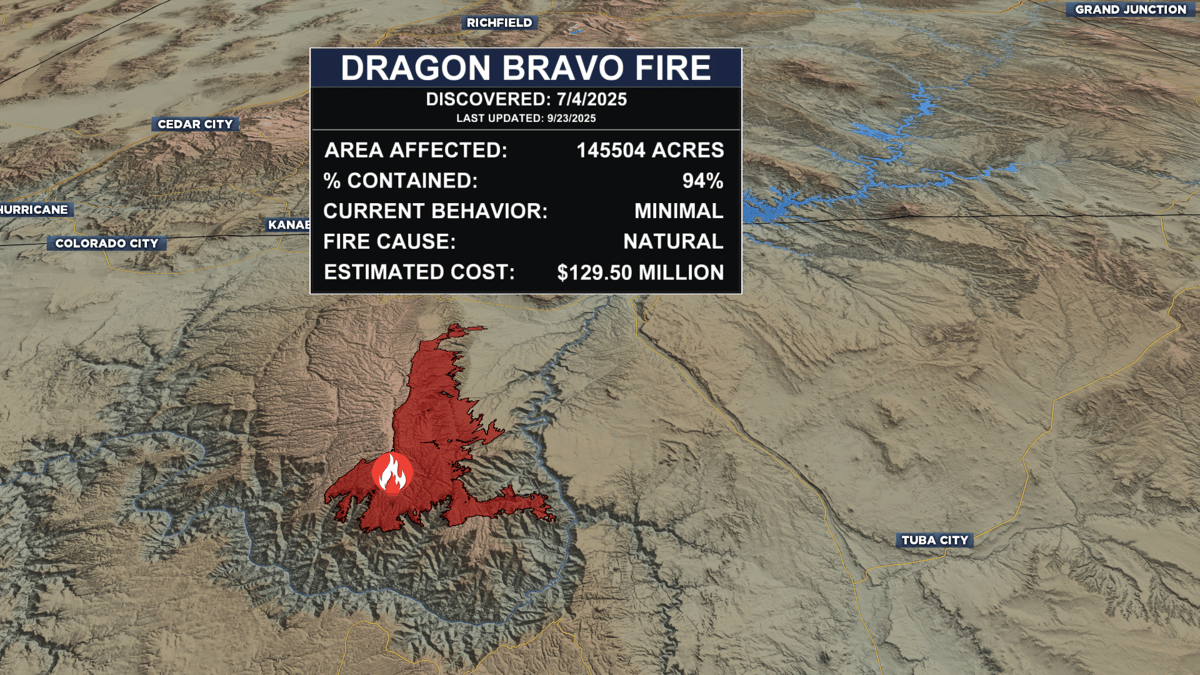
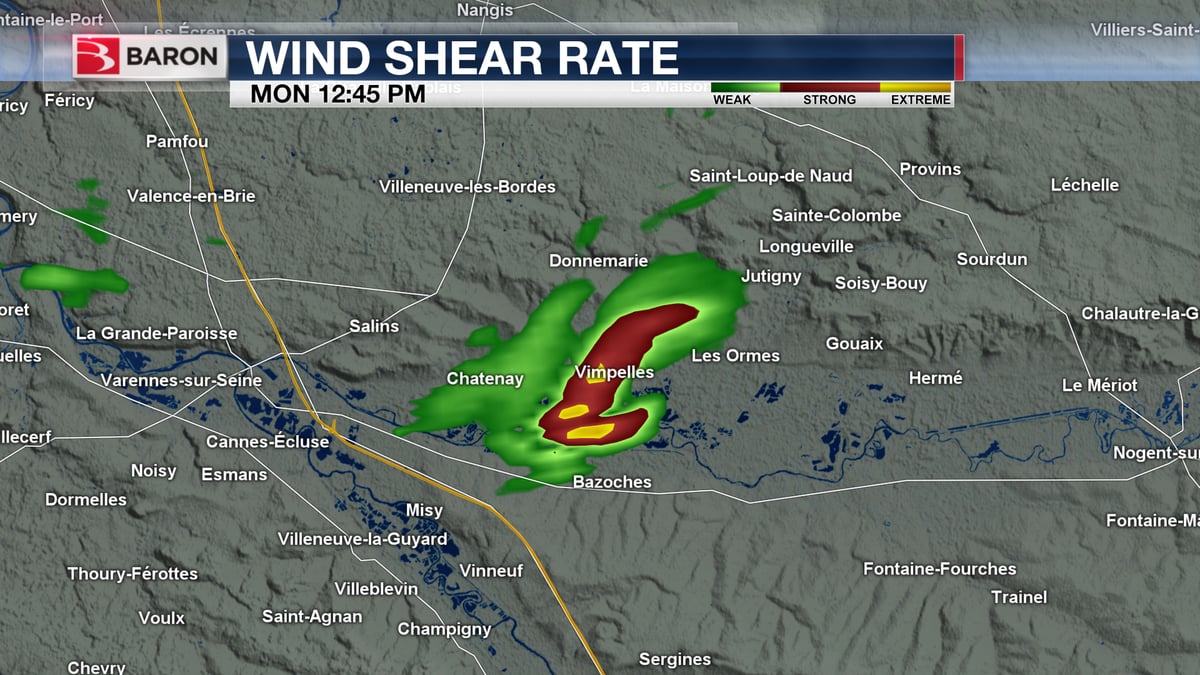
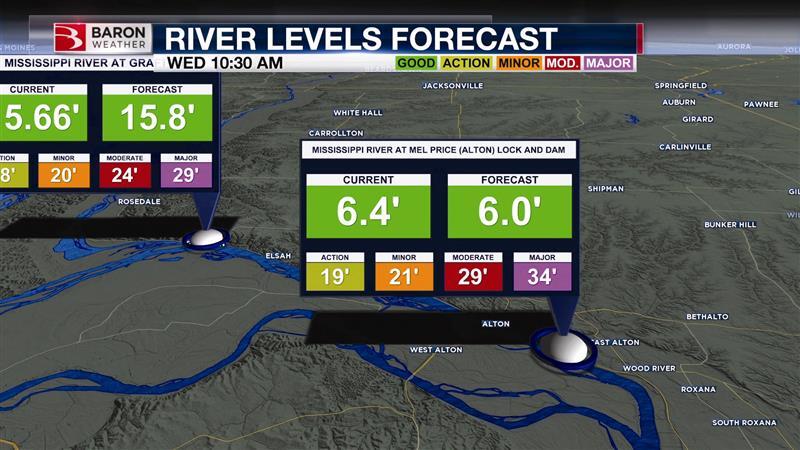
Certain products stand out for their ability to clearly communicate risk as storms develop. Shear Rate, Storm Intel, and storm vectors are frequently relied on during severe weather, helping teams understand not just where storms are, but how they’re evolving and what impacts may follow.
Shear Rate is often one of the first products teams turn to when tornado potential exists, valued for its clarity and ability to quickly convey risk. Storm Intel and storm vectors add further context during high-impact events, supporting both personal decision-making and customer needs.
“I love the Storm Intel and Storm Vectors dataset because I find it useful in my own life during severe weather, and it’s great for my customers.”
Weather Logic adds another layer of awareness through unique severe weather products and customizable alerts.
In addition to indices and alerts, Weather Logic supports real-time situational awareness through radar and live storm information.
When teams are away from a full desktop setup, the Baron Critical Weather App and mobile radar tools help maintain situational awareness, ensuring alerts and real-time information remain accessible as conditions unfold.
Lynx – Analysis & Storytelling
While Lynx is widely known for its communication capabilities, its value starts with analysis and carries through to storytelling.
The Analysis tab stands out as a favorite, allowing teams to view radar, satellite, temperatures, warnings, and more in one place. Features like four-panel views make it possible to examine multiple perspectives of the same storm simultaneously, helping teams better understand the storm's structure, evolution, and impacts.
Playback, hand tracking, and deeply customizable mapping tools add flexibility, allowing teams to explore past and future conditions and tailor views for different scenarios. Once the analysis is clear, Lynx makes it easier to communicate what matters — supporting everything from internal briefings to operational decision support.
Alerts, Automation & Ground Truth
Automation plays a major role in how Baron tools are used day to day. Weather Logic enables highly customizable alerts across a wide range of scenarios, providing timely awareness without requiring constant monitoring.
Ground-truth data adds another critical layer during impactful events. Baron Threat Net mesonet sites and regional resources like the Baron Critical Weather Institute’s Alabama Weathernet combine radar, sensors, and cameras to reveal microclimate nuances that can significantly influence impacts and decision-making.
These localized observations are especially valuable during ongoing events, when small-scale differences can have vast effects.
Putting It All Together
From quick daily checks to high-impact events and long-range planning, these workflows reflect how weather intelligence is used in practice today. Effective decision-making comes from integrating the right tools and datasets to build context, reduce uncertainty, and support informed decisions. This approach continues to shape how we think about weather intelligence and how we design tools to support decisions when it matters most.