Every electric utility has an operations center.
It's where teams monitor grid conditions, coordinate field crews, manage outages, and make decisions before, during, and after weather events. Whether responding to severe thunderstorms, wildfire conditions, winter weather, or extreme heat, operations centers serve as the hub for situational awareness and operational decision-making.
When it comes to weather situational awareness, utilities have adopted different approaches. Some have built operational dashboards within ArcGIS, while others rely on dedicated weather platforms to support their operations centers.
Regardless of the approach, the goal is the same: provide operations teams with timely, actionable weather intelligence that supports faster, more confident decisions.
Baron meets utilities where they already are—in their tools, workflows, and existing infrastructure investments. Purpose-built for utility operations, Weather Logic fits naturally into the way operations centers already work. It brings together situational awareness, alerting, historical analysis, and operational context in a single platform designed to support decision-making before, during, and after high-impact weather events.
Through the partnership between Baron Weather and Western Weather Group, utilities can incorporate their own weather station observations directly into Weather Logic, creating a more complete picture of current conditions, emerging weather risk, and potential operational impacts.
Situational Awareness Starts with Context
A thunderstorm on a radar map is helpful. But operations teams need more than weather data alone—they need weather intelligence that is actionable and tailored to their operations.
Is the storm moving toward a critical transmission corridor? Is lightning approaching an active work site? Are forecast winds expected to exceed operational thresholds in a wildfire-prone area? These are the types of questions operations centers answer every day, and they require weather intelligence presented in the context of utility operations.
Weather Logic combines weather intelligence, utility assets, and operational context within a single interactive map environment. Utilities can overlay weather conditions directly on top of service territories, infrastructure, and operational areas of interest, helping teams quickly understand where weather may impact operations and where attention is needed most.
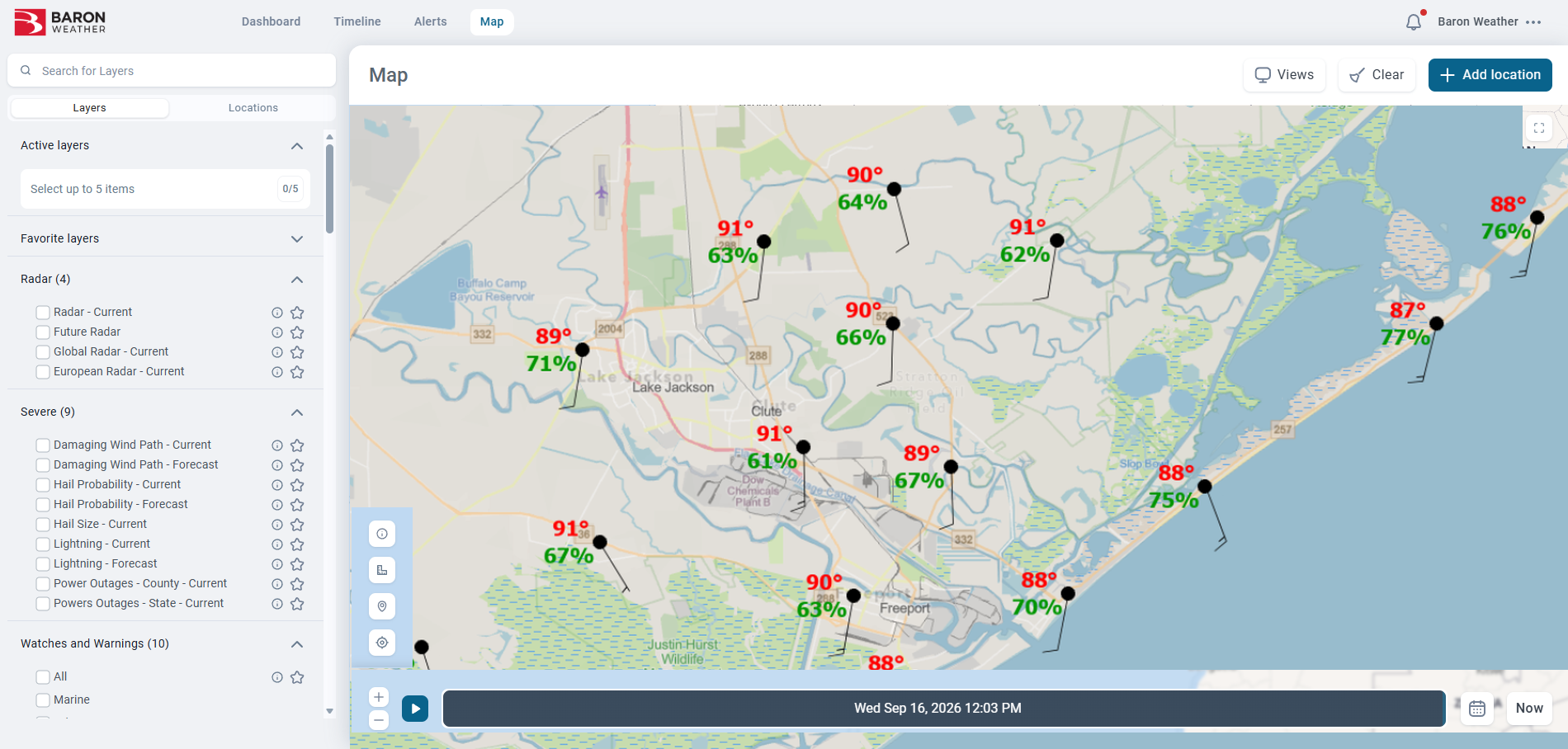
Instead of asking, "What's the weather doing?" teams can focus on a more important question: "What does this weather mean for our operations?"
The result is faster situational awareness and better operational context when decisions matter most.
Turning Weather Intelligence Into Action
Situational awareness is only valuable if it leads to action.
That's why Weather Logic combines visualization with alerting.
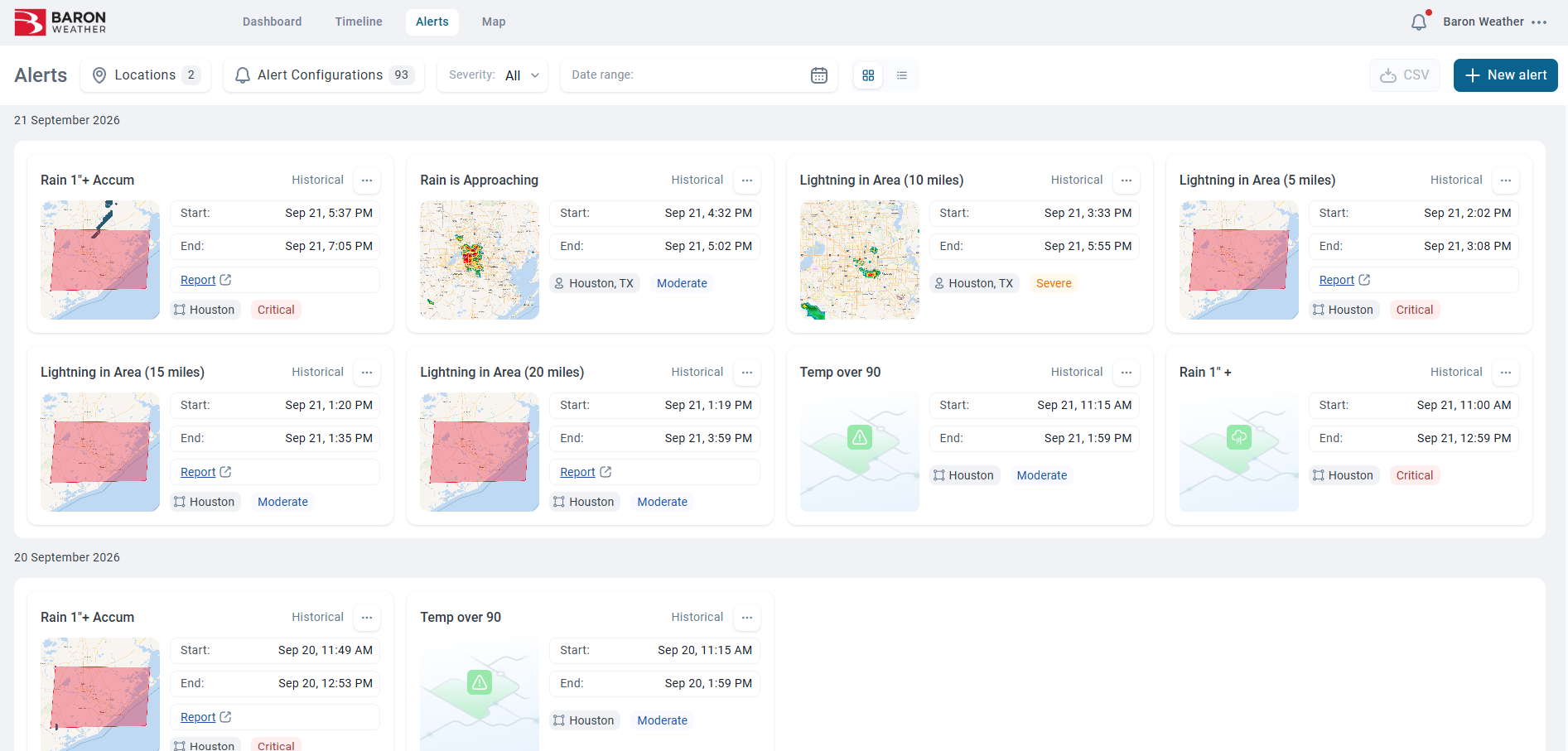
Utilities can receive alerts for National Weather Service watches and warnings, lightning activity, current weather conditions, forecast weather conditions, and user-defined thresholds based on their own operational requirements.
Every utility is different. The conditions that trigger action for one organization may not be the same for another.
Weather Logic allows utilities to define their own thresholds based on the conditions that matter most to their infrastructure, service territory, and operating procedures. A utility may choose to receive alerts when forecast wind speeds exceed a specified threshold near critical infrastructure, when lightning develops within a certain distance of active work locations, or when wildfire-related weather conditions reach predefined levels.
Rather than adapting operations around a generic weather application, Weather Logic allows utilities to build alerting workflows around their own operational requirements.
A More Complete Operational Picture
Weather intelligence becomes even more valuable when it's paired with real-world observations.
Many utilities already operate weather monitoring networks across their service territories to better understand local conditions and support operational decision-making.
Western Weather Group has been at the forefront of that effort, helping utilities deploy and maintain industrial-grade weather monitoring networks built specifically for critical infrastructure operations. Today, the company supports more than 8,000 weather stations and 25,000 sensors across 35+ states. These observations provide critical ground-truth data.
While forecast models and gridded weather analysis provide broad coverage, station observations show what is actually happening on the ground. They help validate forecasts, identify localized conditions, and create a defensible record of weather conditions during significant operational events.
Through the partnership between Baron Weather and Western Weather Group, those observations become part of the broader operational picture inside Weather Logic.
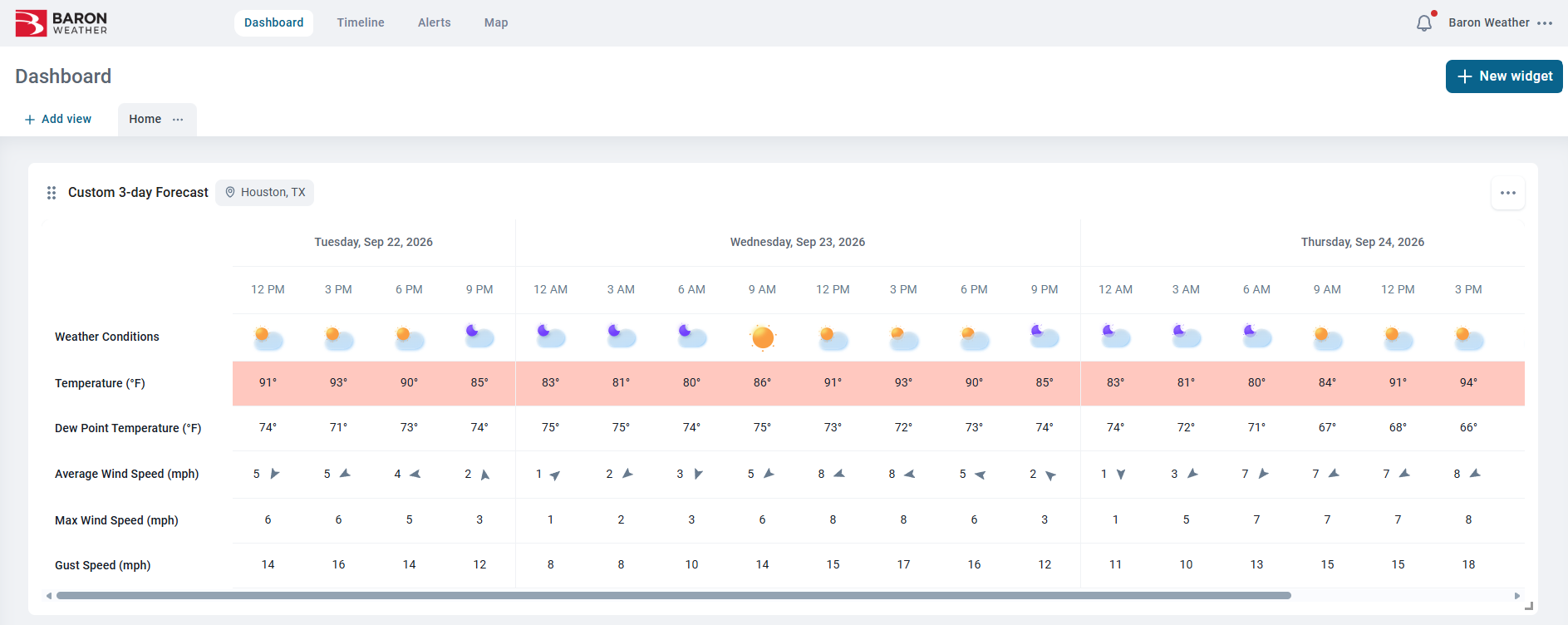
For example, a utility may use Western Weather Group station observations to monitor real-time wind conditions in a wildfire-prone area while simultaneously viewing Baron forecast wind data, lightning activity, radar, and weather alerts within the same platform.
Together, those observations and forecasts provide a more complete view of current and future conditions. Teams can validate forecasts against real-world observations, identify localized weather impacts, and better understand how evolving conditions may affect infrastructure, crews, and operations.
Instead of moving between multiple systems, operations teams can visualize utility-owned observations alongside weather intelligence within a single operational environment.
Western Weather Group provides the ground-truth observations utilities rely on to understand what's happening right now. Weather Logic provides the situational awareness, alerting, and operational context that help teams understand what those conditions mean for their operations.
The result is greater situational awareness, better context for decision-making, and a more complete operational picture.
Learning From Every Event
Weather events don't end when the storm passes.
After-action reviews play an important role in helping utilities evaluate response efforts, identify lessons learned, and improve future decision-making. Operations teams often need to understand how weather conditions aligned with outages, restoration activities, and operational response efforts—not just in real time, but after the event is over.
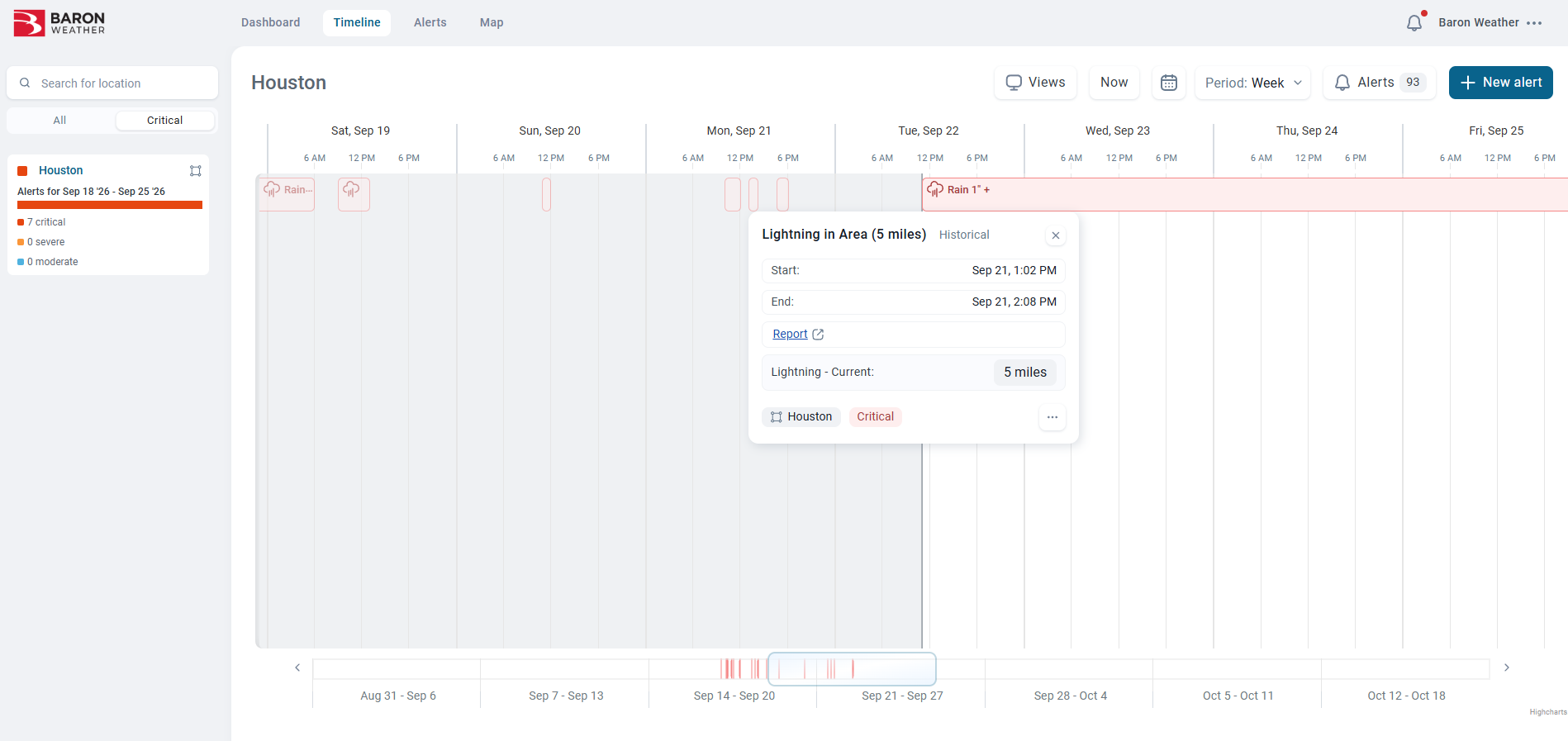
Weather Logic's historical replay capabilities allow teams to revisit past weather events and correlate weather conditions with outage records and operational impacts. Instead of relying on screenshots or memory, teams can review exactly what conditions occurred, when they occurred, and how those conditions influenced operations.
That historical perspective supports stronger after-action reviews, helps organizations refine response procedures, and provides valuable documentation for regulatory reporting, compliance requirements, sustainability initiatives, and other post-event analyses.
Built for the Way Utilities Operate
Weather data is only part of the equation.
The real value comes from turning weather intelligence into operational awareness—and operational awareness into action.
By combining situational awareness, customizable alerting, historical analysis, and utility-owned weather observations, Weather Logic helps operations teams better understand weather risk before, during, and after high-impact events.
Because when weather impacts the grid, the goal isn't simply to know what's happening.
It's to know what to do next.
Contact Western Weather Group to learn more about utility weather monitoring networks or explore Weather Logic to see how utilities are turning weather intelligence into operational awareness and action.